
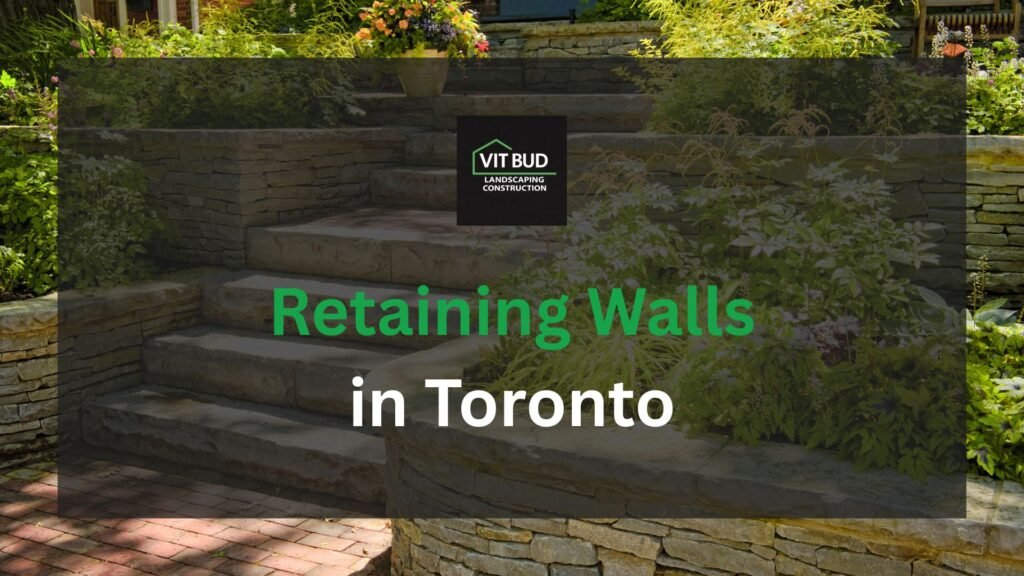
Retaining Walls in Toronto: More Than Just a Landscaping Feature
Many homeowners think retaining walls are primarily decorative.
In reality, a properly built retaining wall can solve drainage problems, prevent soil erosion, create usable outdoor space, and improve the overall appearance of a property.
In Toronto and the GTA, retaining walls are commonly used on sloped lots, around raised garden beds, and as part of larger backyard renovation projects.
Why Retaining Walls Matter
A sloped yard can create several challenges.
Heavy rain may wash soil into garden beds, damage landscaping, or create muddy areas that are difficult to maintain. Over time, erosion can change the shape of the property and affect the stability of outdoor features.
A retaining wall helps hold soil in place and creates a structured landscape that is easier to maintain.
For many homeowners, it’s not just about appearance—it’s about protecting their investment.
Creating More Usable Backyard Space
One of the biggest benefits of retaining walls is the ability to transform uneven ground into functional outdoor living areas.
Instead of a steep slope that serves little purpose, homeowners can create:
- Patio areas
- Outdoor kitchens
- Fire pit spaces
- Garden terraces
- Children’s play areas
- Seating zones
A well-designed retaining wall often becomes the foundation of an entire backyard transformation.
Choosing the Right Material
Several materials can be used for retaining walls, each offering different benefits.
Interlocking Concrete Blocks
This is one of the most popular options in Toronto landscaping projects.
Interlocking blocks are durable, weather-resistant, and available in a wide variety of colours and styles.
They work well for both modern and traditional properties.
Natural Stone
Natural stone provides a premium appearance and blends naturally into outdoor environments.
While generally more expensive, it creates a timeless look that many homeowners prefer.
Concrete Walls
For larger structural applications, poured concrete can provide exceptional strength and longevity.
These walls are often used when significant soil retention is required.
Drainage Is Critical
Many retaining wall failures are not caused by the wall itself.
They’re caused by poor drainage.
When water accumulates behind a wall, pressure builds up and can eventually lead to shifting, cracking, or collapse.
Professional retaining wall installation includes proper drainage systems, backfill materials, and grading to manage water effectively.
This step is often more important than the visible wall itself.
When Do You Need a Retaining Wall?
You may benefit from a retaining wall if your property has:
- Noticeable slopes
- Soil erosion issues
- Drainage problems
- Uneven backyard elevations
- Plans for a patio or outdoor living area
- Raised planting beds
Every property is different, which is why site evaluation is an important first step.
How Long Does a Retaining Wall Last?
A professionally installed retaining wall can last for decades.
The lifespan depends on the material used, drainage design, soil conditions, and overall construction quality.
When built correctly, retaining walls often become one of the most durable features in a landscape.
Final Thoughts
Retaining walls do much more than improve curb appeal.
They provide structure, solve practical property challenges, and create opportunities for better outdoor living spaces.
Whether you’re dealing with a sloped yard or planning a complete landscape renovation, a properly designed retaining wall can add both function and value to your property.
If you’re considering a retaining wall project in Toronto, focus on quality design, proper drainage, and experienced installation to ensure long-term performance.